ประกาศรายชื่อผู้มีสิทธิเข้ารับการสัมภาษณ์เพื่อรับทุนการศึกษาไปศึกษาวิชา ณ สถาบันวิทยาศาสตร์และเทคโนโลยีสโกลโกโว (Skolkovo Institute of Science and Technology: Skoltech) สหพันธรัฐรัสเซีย ประจำปีการศึกษา 2567 (ค.ศ. 2024) ระดับปริญญาโท หลักสูตรภาษาอังกฤษ 15/05/2024
ประกาศรับสมัครคัดเลือกบุคคลเพื่อรับทุนไปศึกษาวิชา ณ มหาวิทยาลัยเทคโนโลยีนันยาง (Nanyang Technological University : NTU) สาธารณรัฐสิงคโปร์ ประจำปีการศึกษา 2567 (ค.ศ. 2024) ระดับปริญญาเอก หลักสูตรภาษาอังกฤษ ภาคเรียนที่ 2 13/05/2024
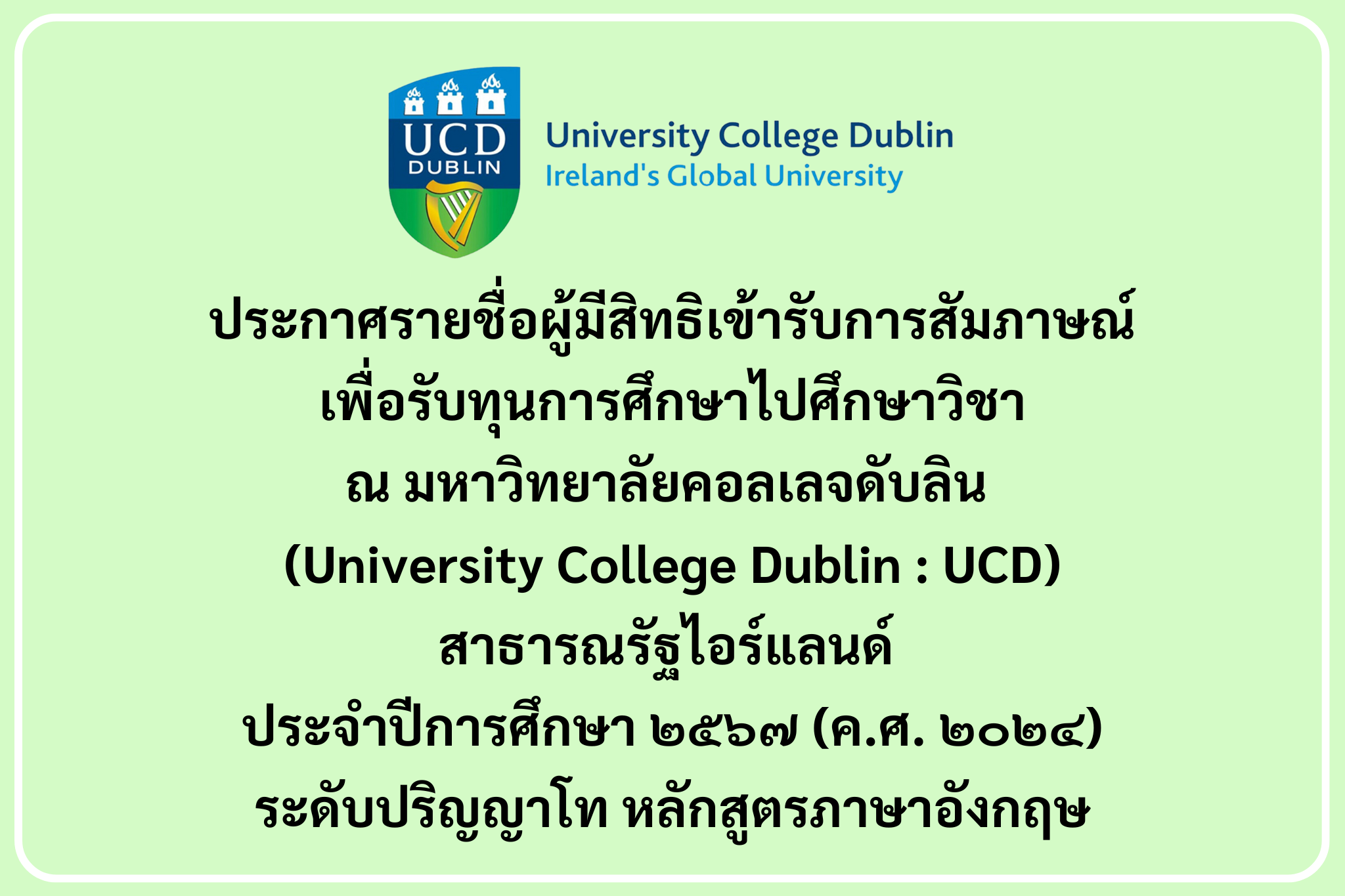
ประกาศรายชื่อผู้มีสิทธิเข้ารับการสัมภาษณ์เพื่อรับทุนการศึกษาไปศึกษาวิชา ณ มหาวิทยาลัยคอลเลจดับลิน (University College Dublin : UCD) สาธารณรัฐไอร์แลนด์ ประจำปีการศึกษา ๒๕๖๗ (ค.ศ. ๒๐๒๔) ระดับปริญญาโท หลักสูตรภาษาอังกฤษ 10/05/2024
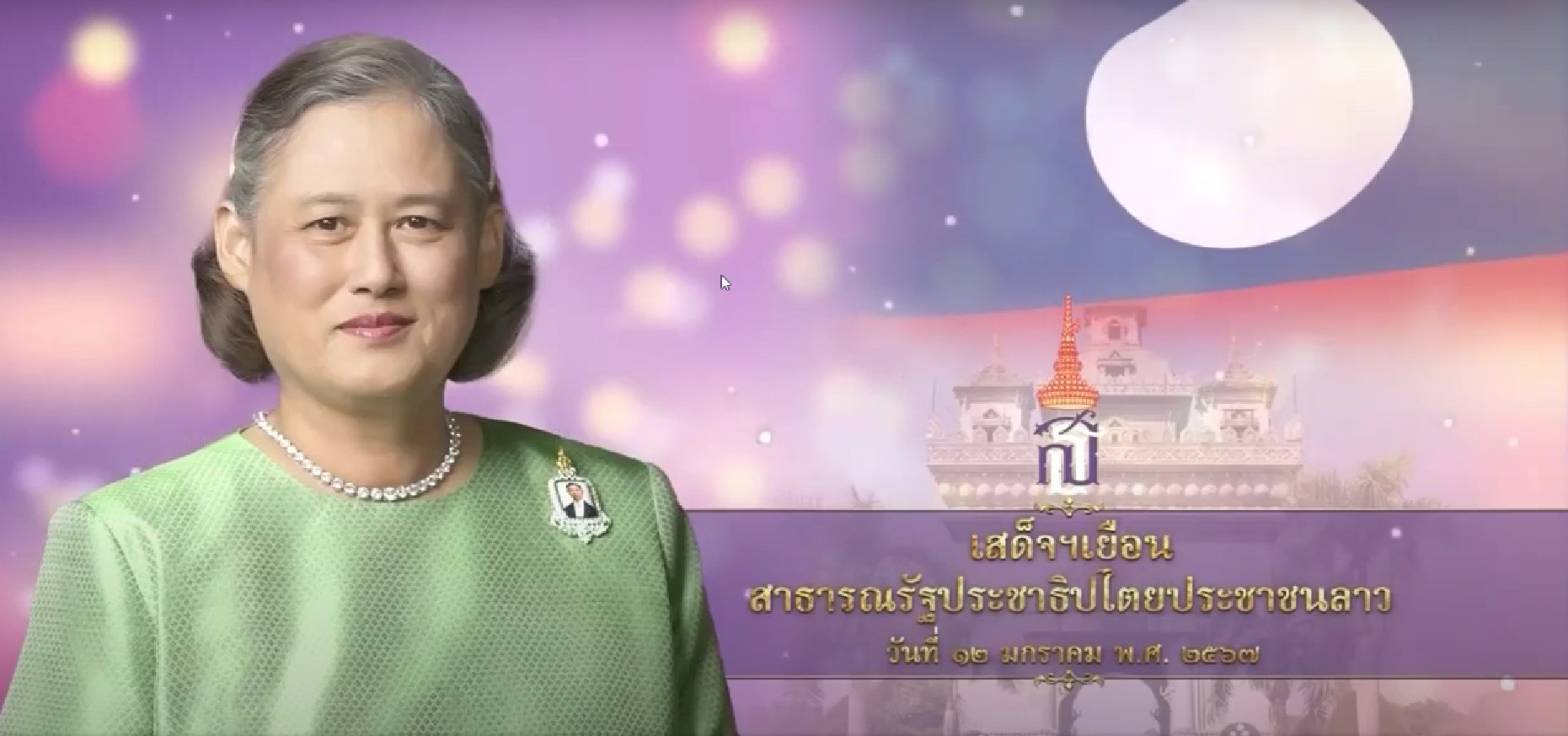
สมเด็จพระกนิษฐาธิราชเจ้า กรมสมเด็จพระเทพรัตนราชสุดาฯ สยามบรมราชกุมารี เสด็จพระราชดำเนินติดตามการดำเนินงานโครงการพระราชทานความช่วยเหลือด้านปฏิบัติการทดลองวิทยาศาสตร์ให้แก่โรงเรียนวัฒนธรรมหลัก 67 สาธารณรัฐประชาธิปไตยประชาชนลาว 14/01/2024 No Comments
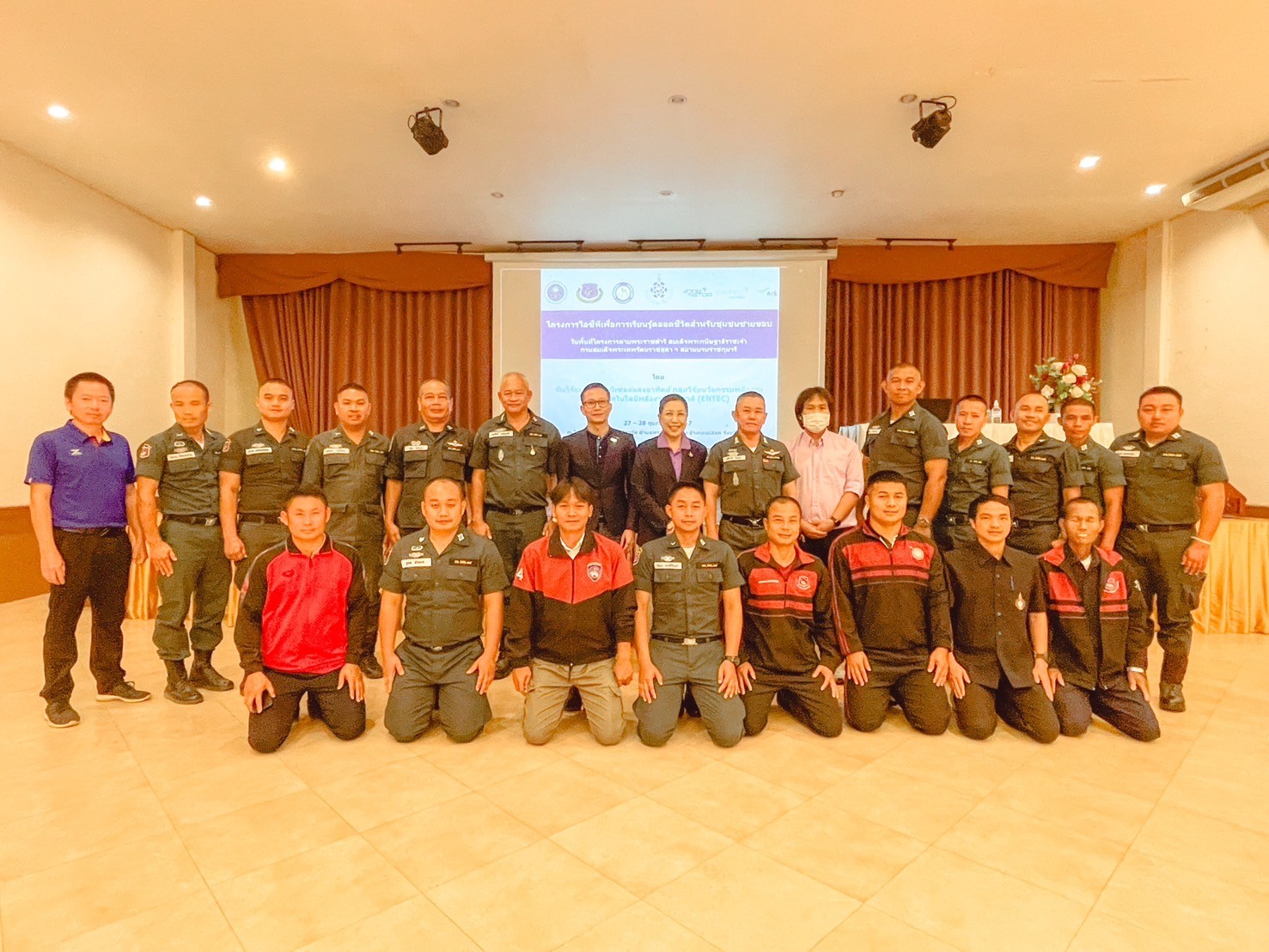
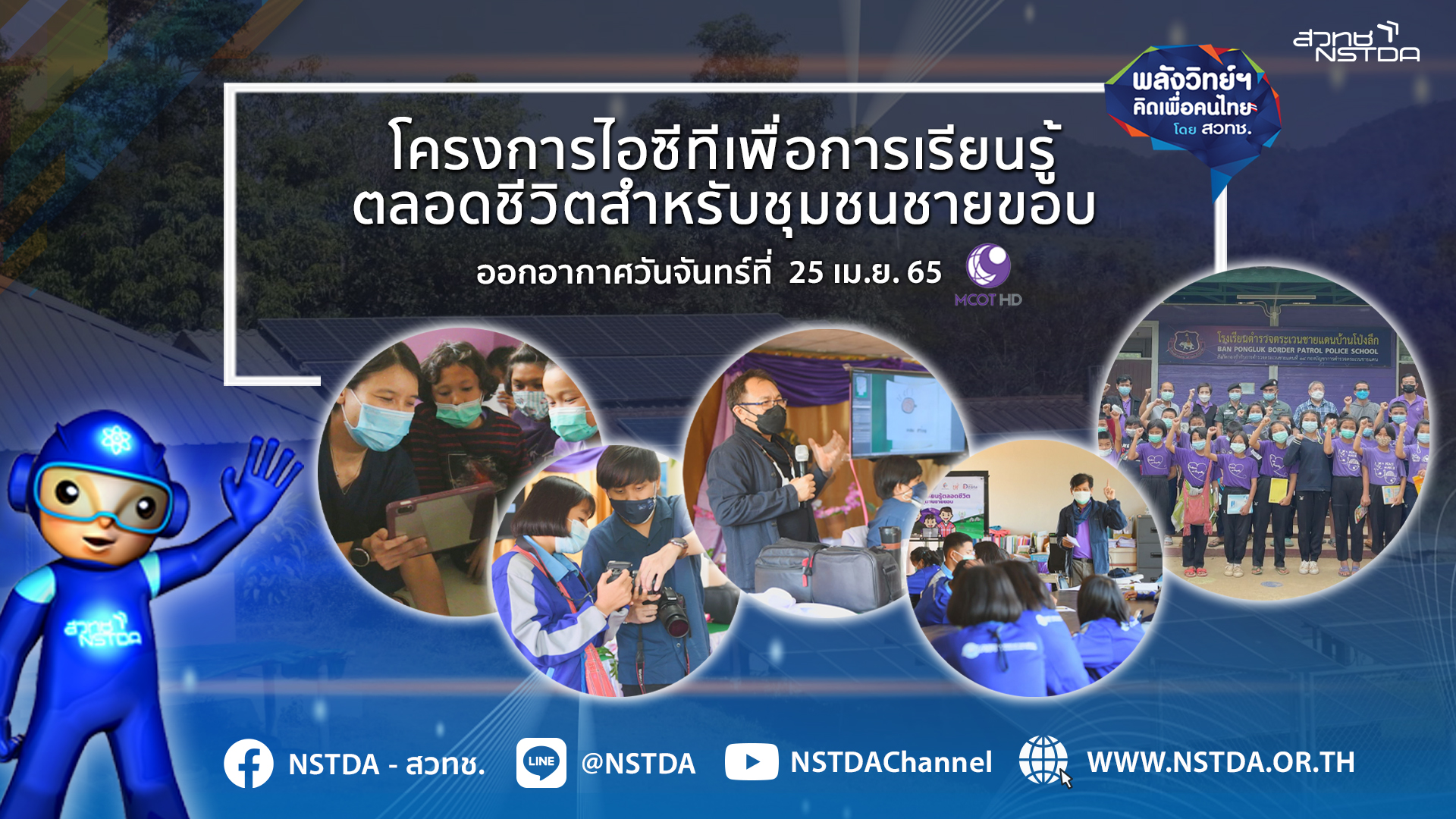
มูลนิธิเทคโนโลยีสารสนเทศตามพระราชดำริสมเด็จพระเทพรัตนราชสุดา ฯ สยามบรมราชกุมารี เอ็นเทค สวทช. สรุปผลการดำเนินงานโครงการไอซีทีเพื่อการเรียนรู้ตลอดชีวิตสำหรับชุมชนชายขอบ 13/12/2023 No Comments
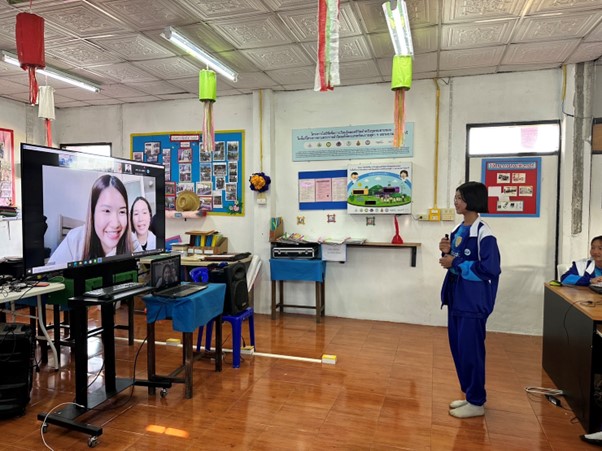
จัดการอบรมเชิงปฏิบัติด้านการประยุกต์ไอซีที เพื่อการจัดเก็บข้อมูลทางวัฒนธรรมและความหลากหลายทางชีวภาพด้วยแพลตฟอร์มนวนุรักษ์ (NAVANURAK) ภายในชุมชนบ้านหม่องกั๊วะทั้งในรูปแบบออนไลน์ และออนไซด์ขึ้น ระหว่างวันที่ 29 พ ย. – 3 ธันวาคม 66 ณ โรงเรียนตำรวจตระเวนชายแดนเฉลิมพระเกรียติ ๗ รอบพระชนมพรรษา (บ้านหม่องกั๊วะ) ต.แม่จัน อ.อุ้มผาง จ.ตาก 03/12/2023 No Comments
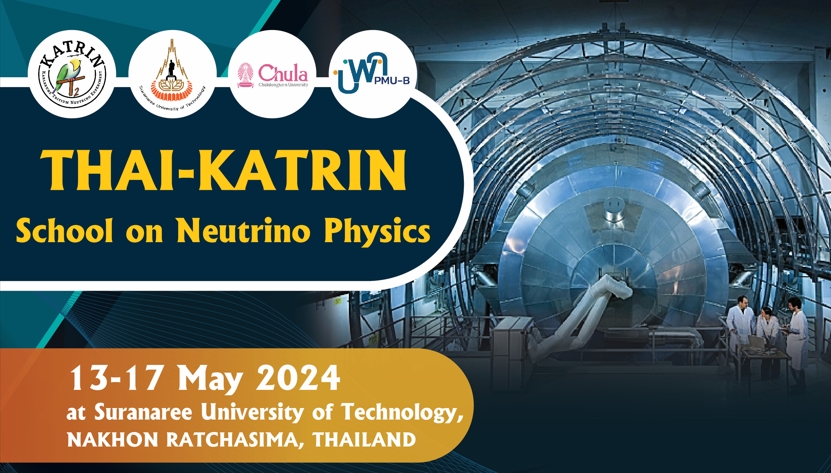
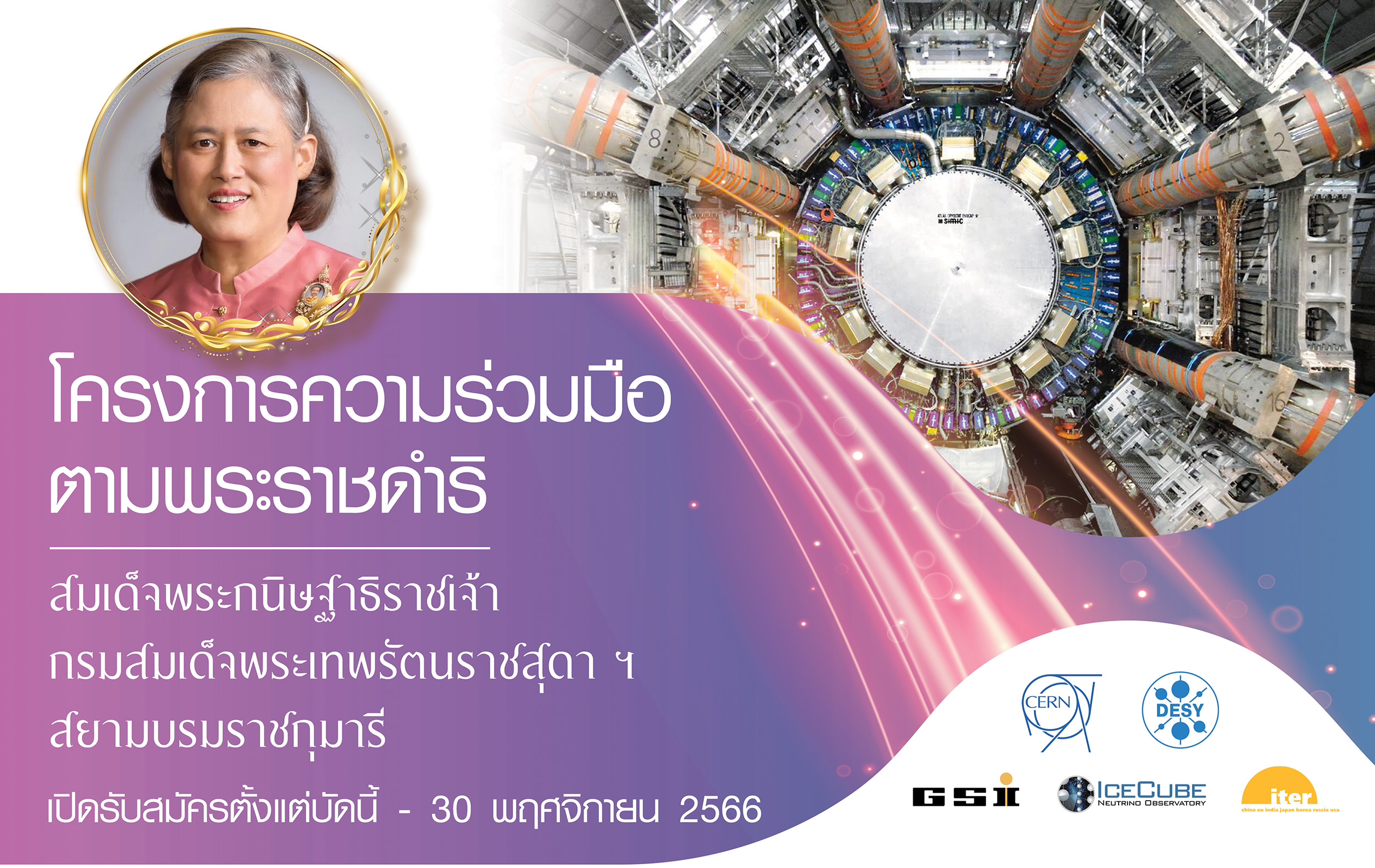
รับสมัครนิสิต/นักศึกษาผู้สนใจด้านนิวทริโนเข้าร่วมอบรม THAI-KATRIN School on Neutrino Physics (กิจกรรมภายใต้โครงการความร่วมมือไทย – KATRIN และ KIT ตามพระราชดำริฯ มูลนิธิเทคโนโลยีสารสนเทศตามพระราชดำริสมเด็จพระเทพรัตนราชสุดา ฯ สยามบรมราชกุมารี ) 26/03/2024
ประกาศรับสมัครนักศึกษาเข้าร่วมโครงการนักศึกษาภาคฤดูร้อน ประกาศรับสมัครนักศึกษาเข้าร่วมโครงการนักศึกษาภาคฤดูร้อน ตามพระราชดำริสมเด็จพระกนิษฐาธิราชเจ้า กรมสมเด็จพระเทพรัตนราชสุดา ฯ สยามบรมราชกุมารีพระราชดำริสมเด็จพระกนิษฐาธิราชเจ้า กรมสมเด็จพระเทพรัตนราชสุดา ฯ สยามบรมราชกุมารี 09/10/2023
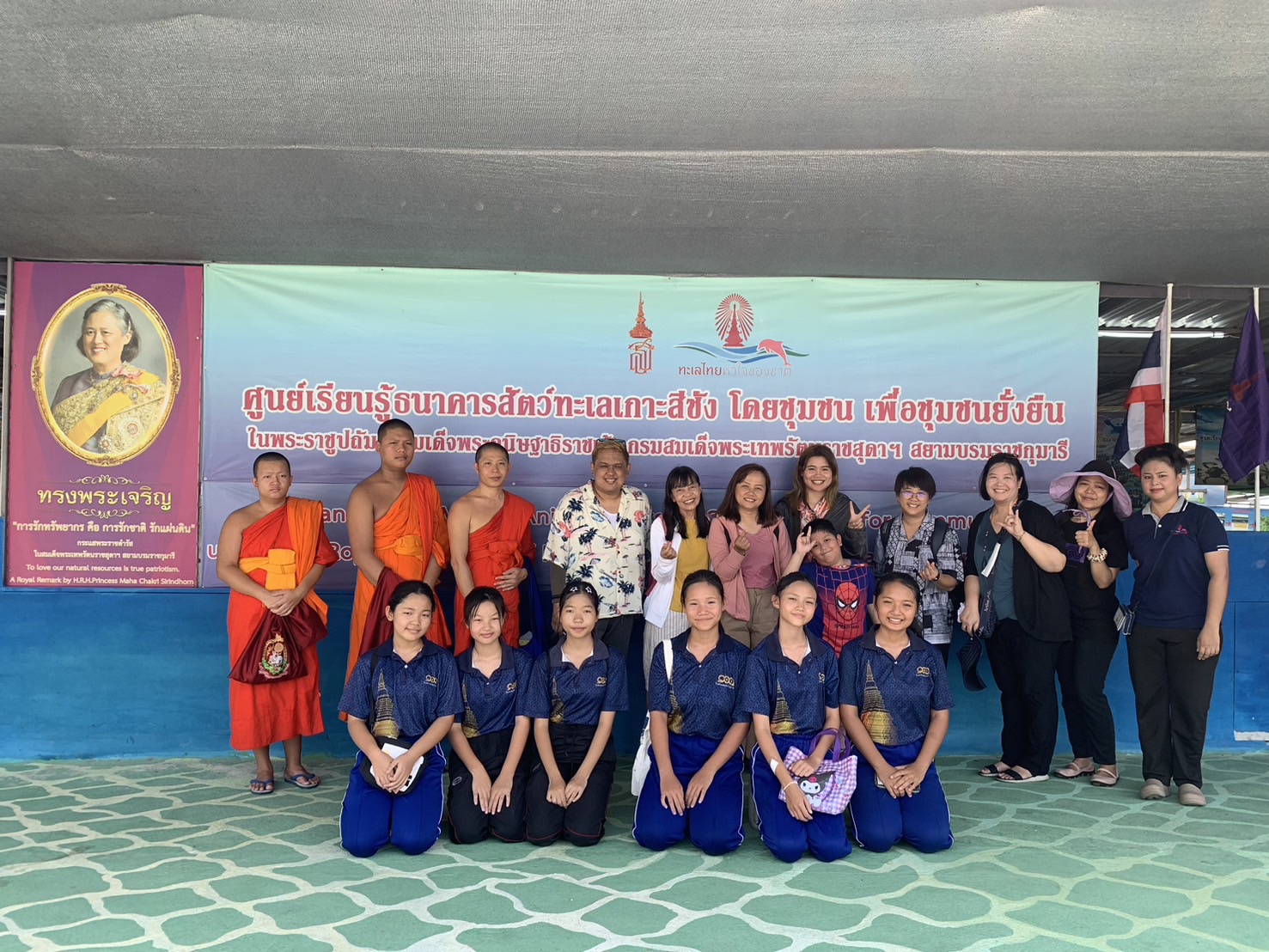
กิจกรรมทัศนศึกษาดูงานทางด้านระบบนิเวศทางทะเล ให้แก่โรงรียน ทีมีผลงานโดดเด่น ภายใต้โครงงานดิจิทัลและวิทยาศาสตร์เพื่อศึกษาสิ่งแวดล้อมในท้องถิ่น 02/05/2024
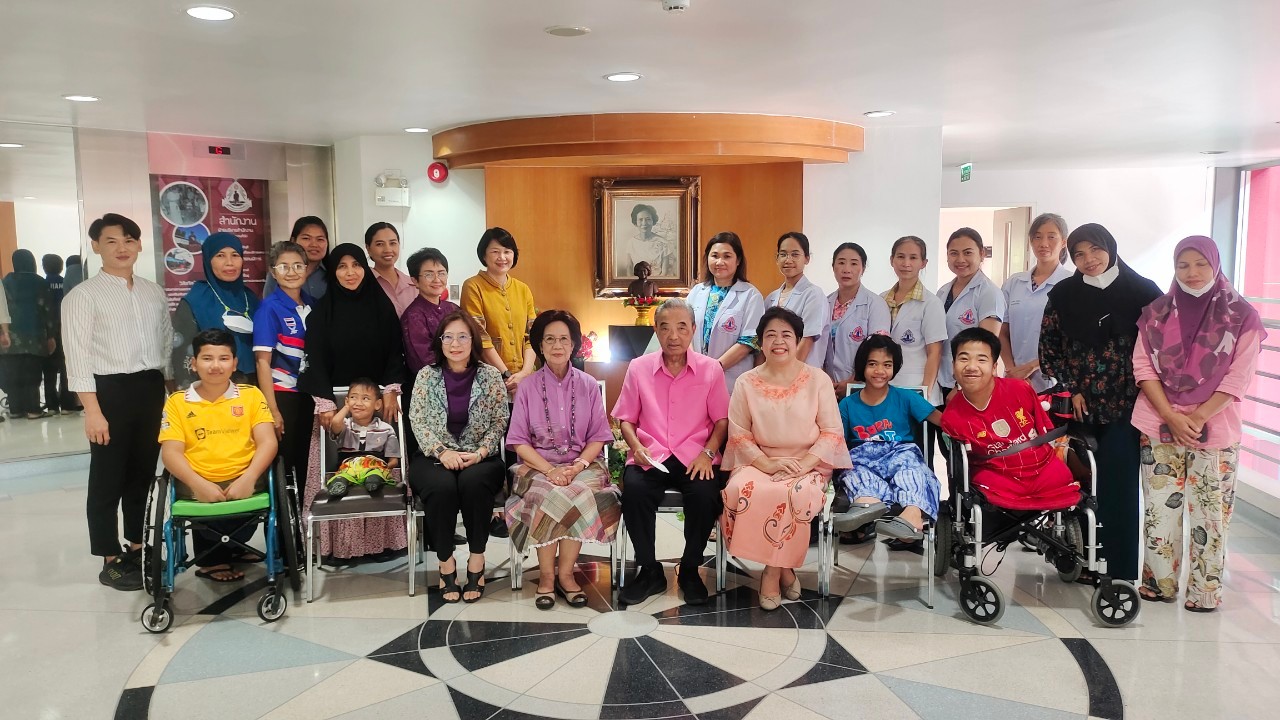
ติดตามเรื่องการเข้ารับการฟื้นฟูสมรรถภาพร่างกายและเสริมการเรียนรู้ด้านวิชาการในช่วงปิดภาคเรียนของเด็กพิการจากจังหวัดนราธิวาส ร่วมกับผู้บริหารและนักกายภาพของมูลนิธิอนุเคราะห์คนพิการ 11/04/2024
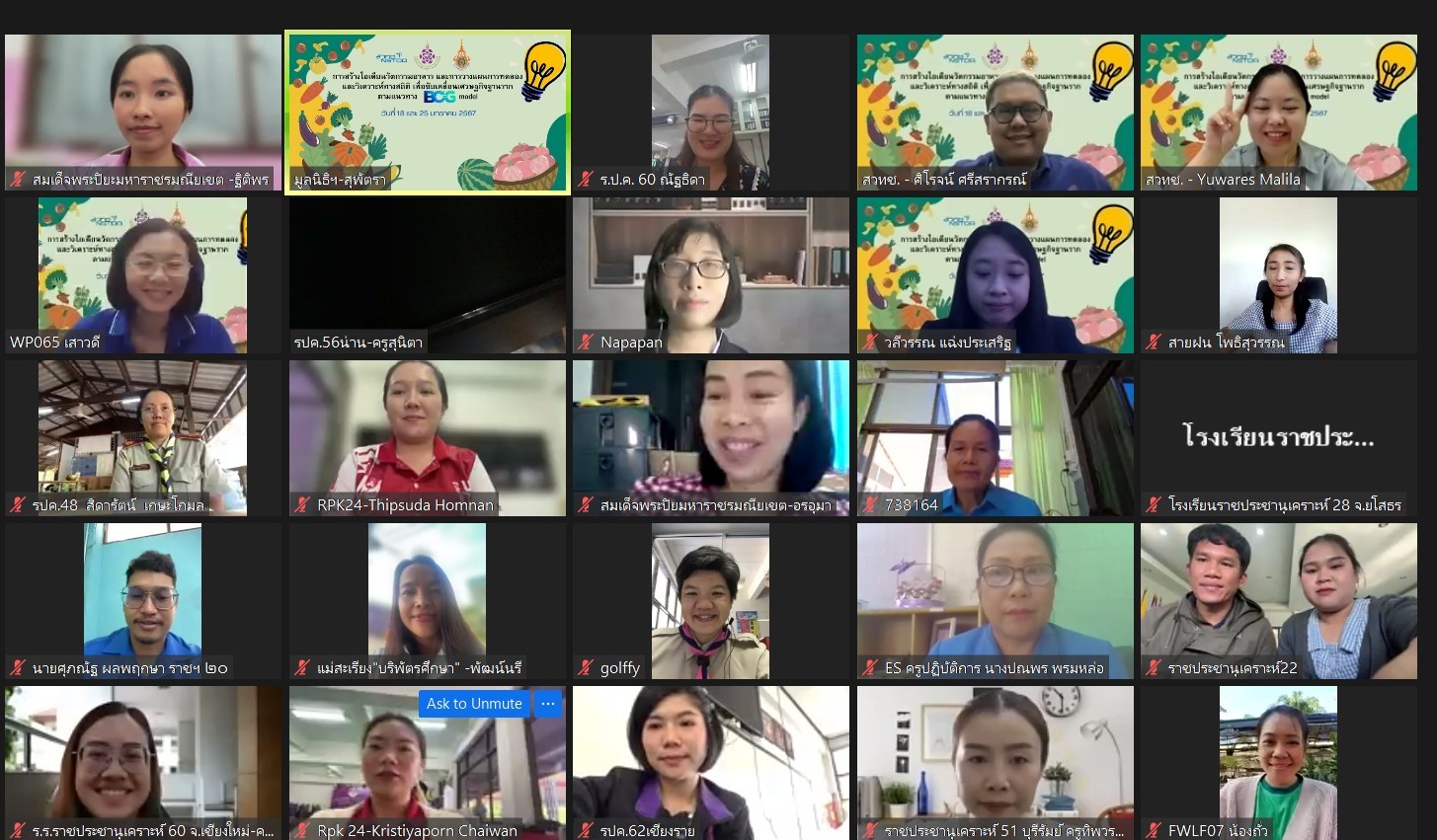
กิจกรรมอบรมครูที่ปรึกษาโครงงาน (ผ่านระบบออนไลน์) “การสร้างไอเดียนวัตกรรมอาหารและการวางแผนการทดลองและวิเคราะห์ทางสถิติ” 19/01/2024
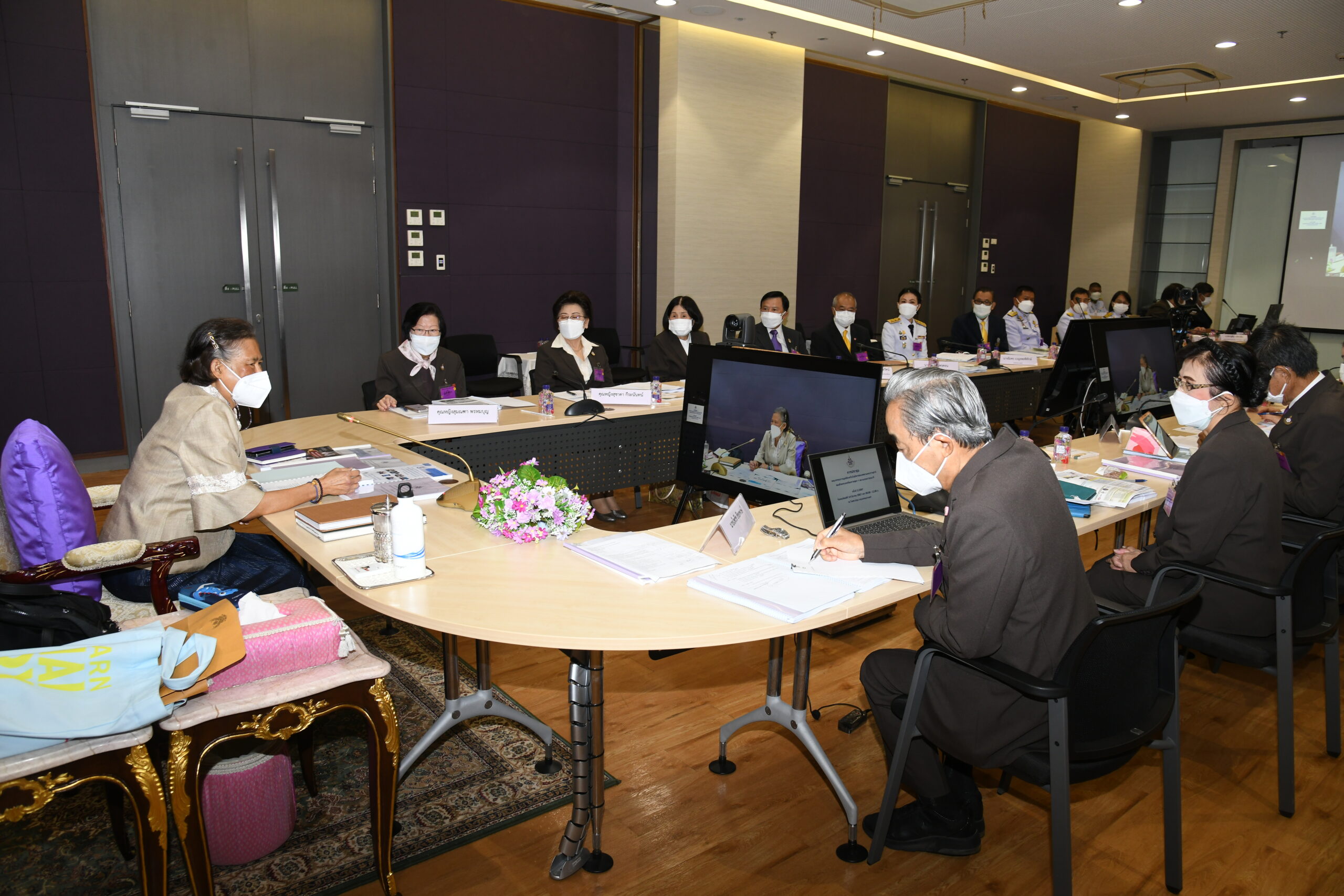
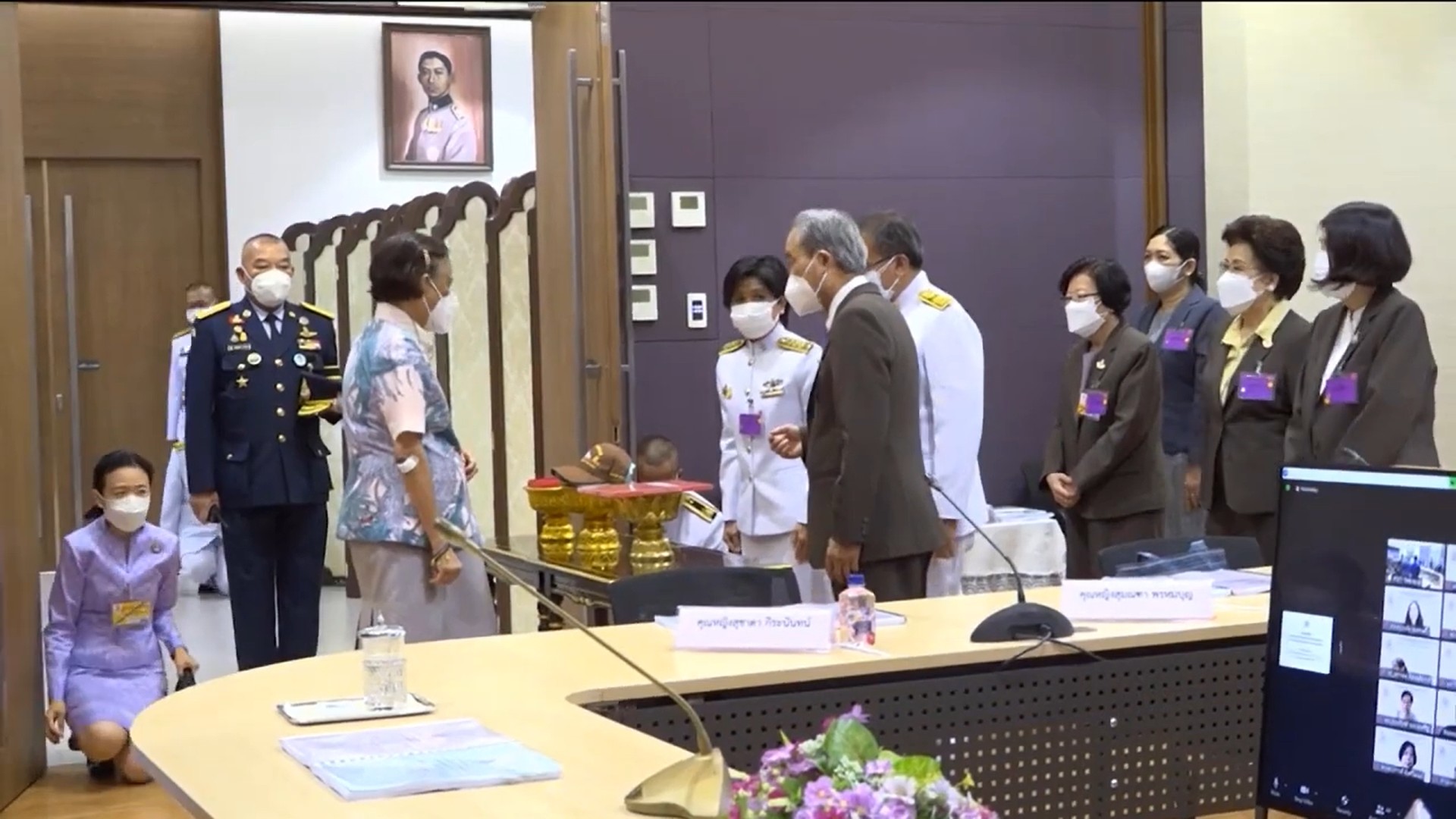
สมเด็จพระกนิษฐาธิราชเจ้า กรมสมเด็จพระเทพรัตนราชสุดา ฯ สยามบรมราชกุมารี ทรงเป็นประธานการประชุมประจำปี 2567 ครั้งที่ 2 ของคณะกรรมการมูลนิธิเทคโนโลยีสารสนเทศตามพระราชดำริ สมเด็จพระเทพรัตนราชสุดา ฯ สยามบรมราชกุมารี 14/03/2024
สมเด็จพระกนิษฐาธิราชเจ้า กรมสมเด็จพระเทพรัตนราชสุดา ฯ สยามบรมราชกุมารี ทรงเป็นประธานการประชุมประจำปี 2567 ครั้งที่ 1 ของคณะกรรมการมูลนิธิเทคโนโลยีสารสนเทศตามพระราชดำริ สมเด็จพระเทพรัตนราชสุดา ฯ สยามบรมราชกุมารี 06/03/2024
สมเด็จพระกนิษฐาธิราชเจ้า กรมสมเด็จพระเทพรัตนราชสุดาฯ สยามบรมราชกุมารี เสด็จพระราชดำเนินติดตามการดำเนินงานโครงการพระราชทานความช่วยเหลือด้านปฏิบัติการทดลองวิทยาศาสตร์ให้แก่โรงเรียนวัฒนธรรมหลัก 67 สาธารณรัฐประชาธิปไตยประชาชนลาว 14/01/2024
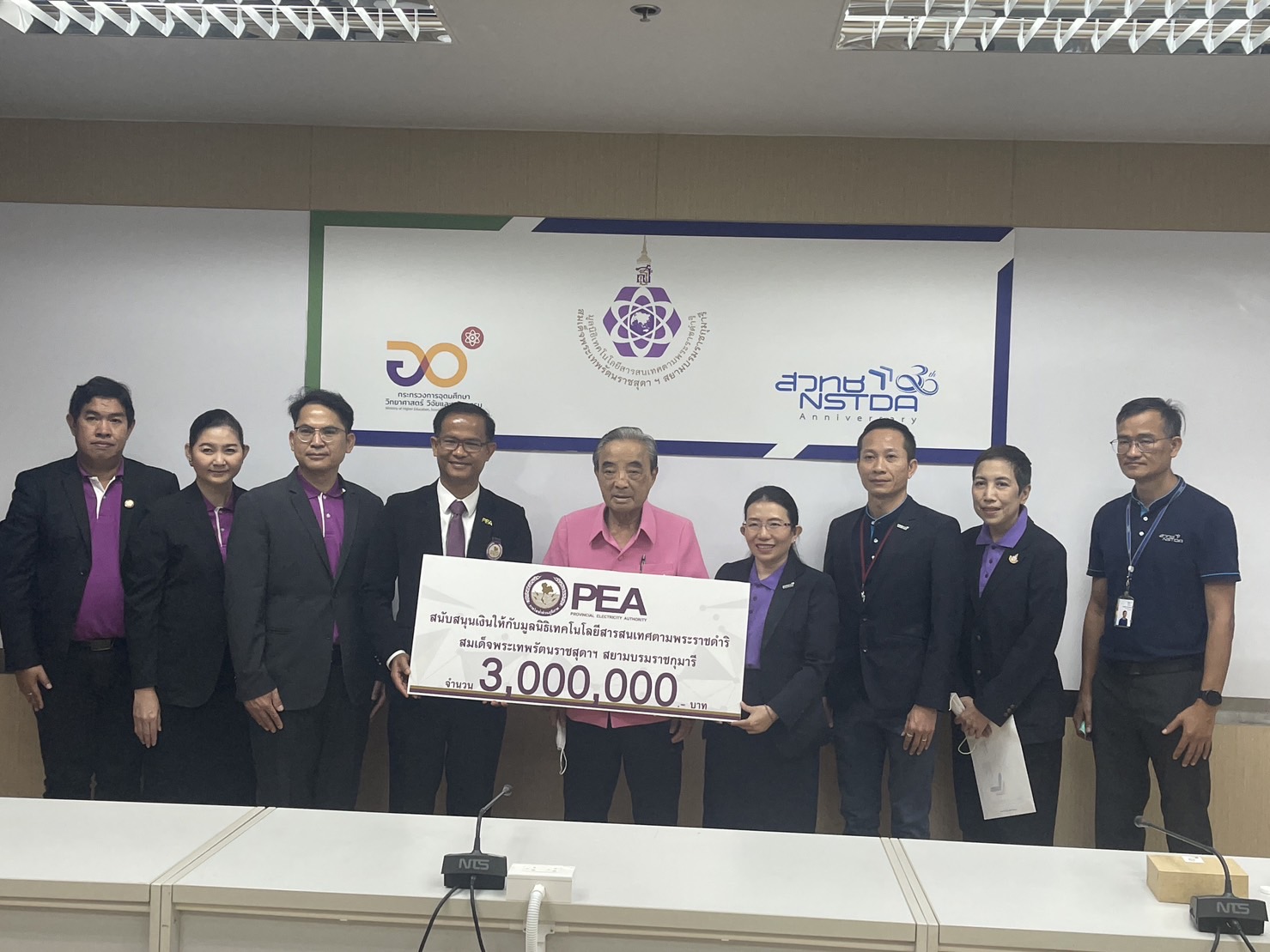
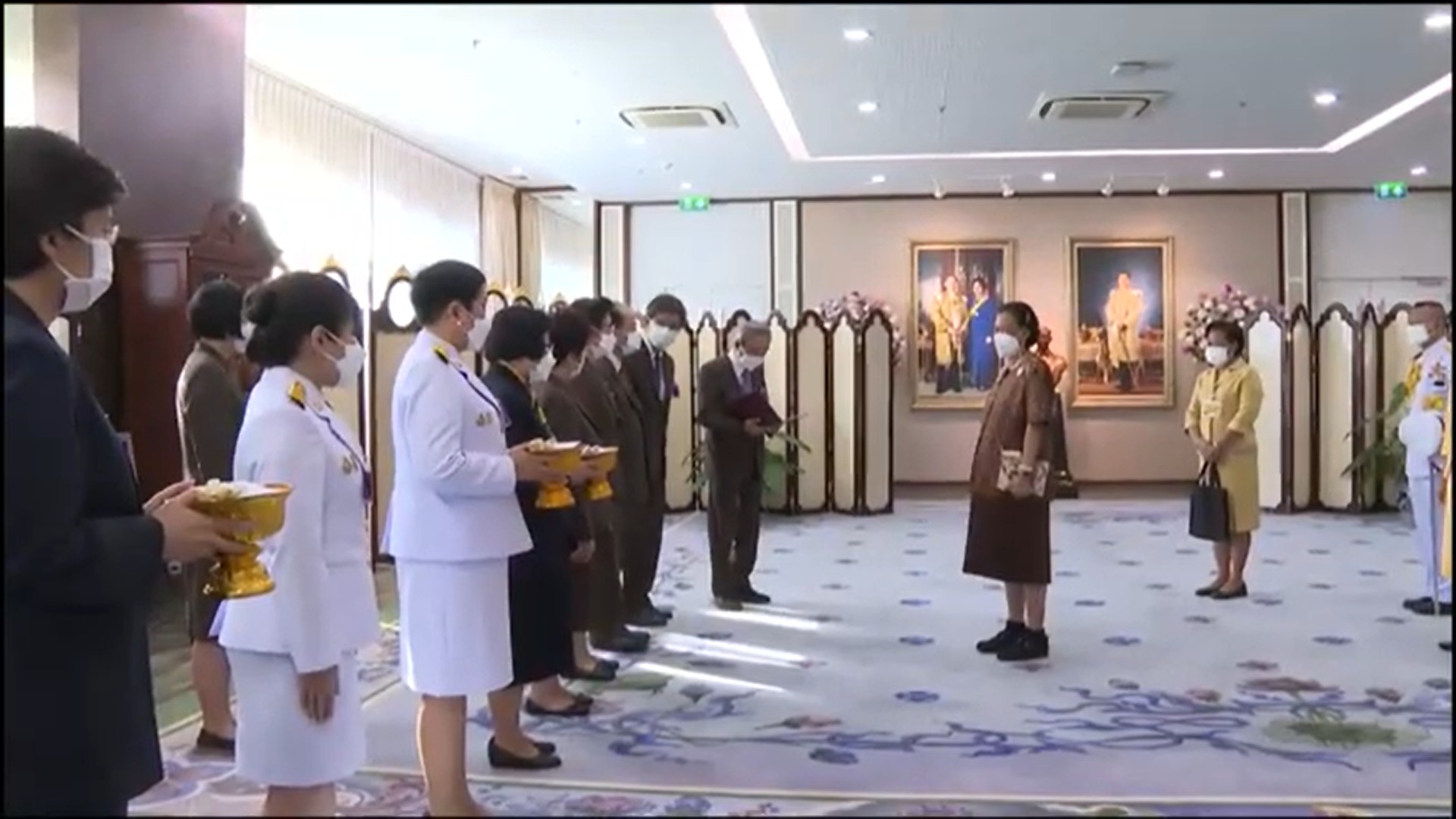
ศาสตราจารย์ ดร. ไพรัช ธัชยพงษ์ กรรมการและเลขาธิการมูลนิธิเทคโนโลยีสารสนเทศตามพระราชดำริสมเด็จพระเทพรัตนราชสุดา ฯ สยามบรมราชกุมารี นำผู้บริหารหน่วยงานเข้าเฝ้าทูลละอองพระบาท เพื่อทูลเกล้าฯ ถวายเงินสนับสนุนการดำเนินงานของมูลนิธิฯ 18/12/2023
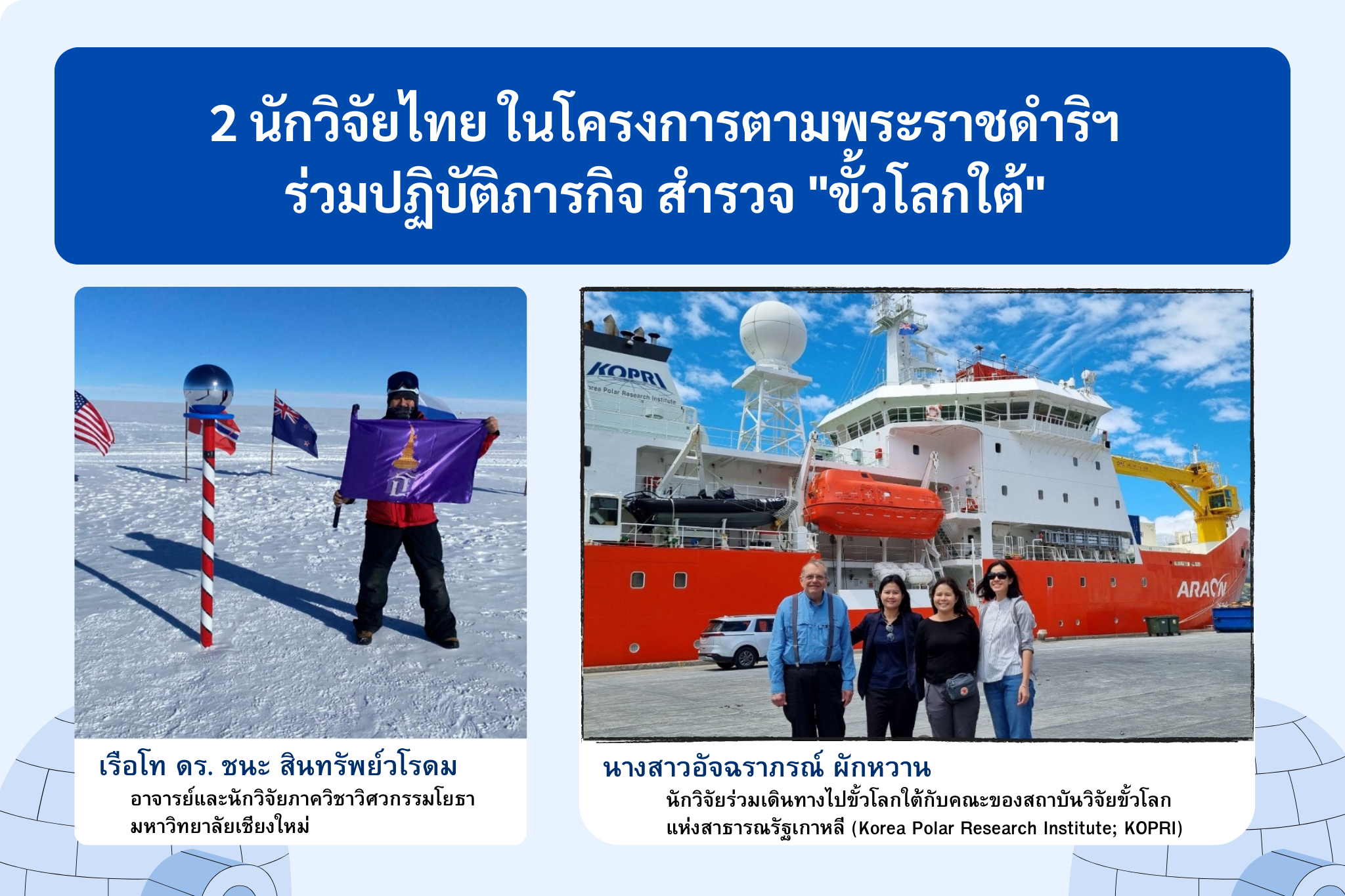
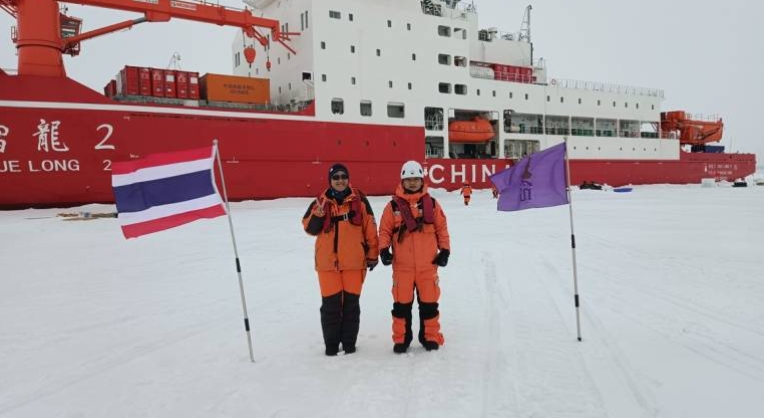
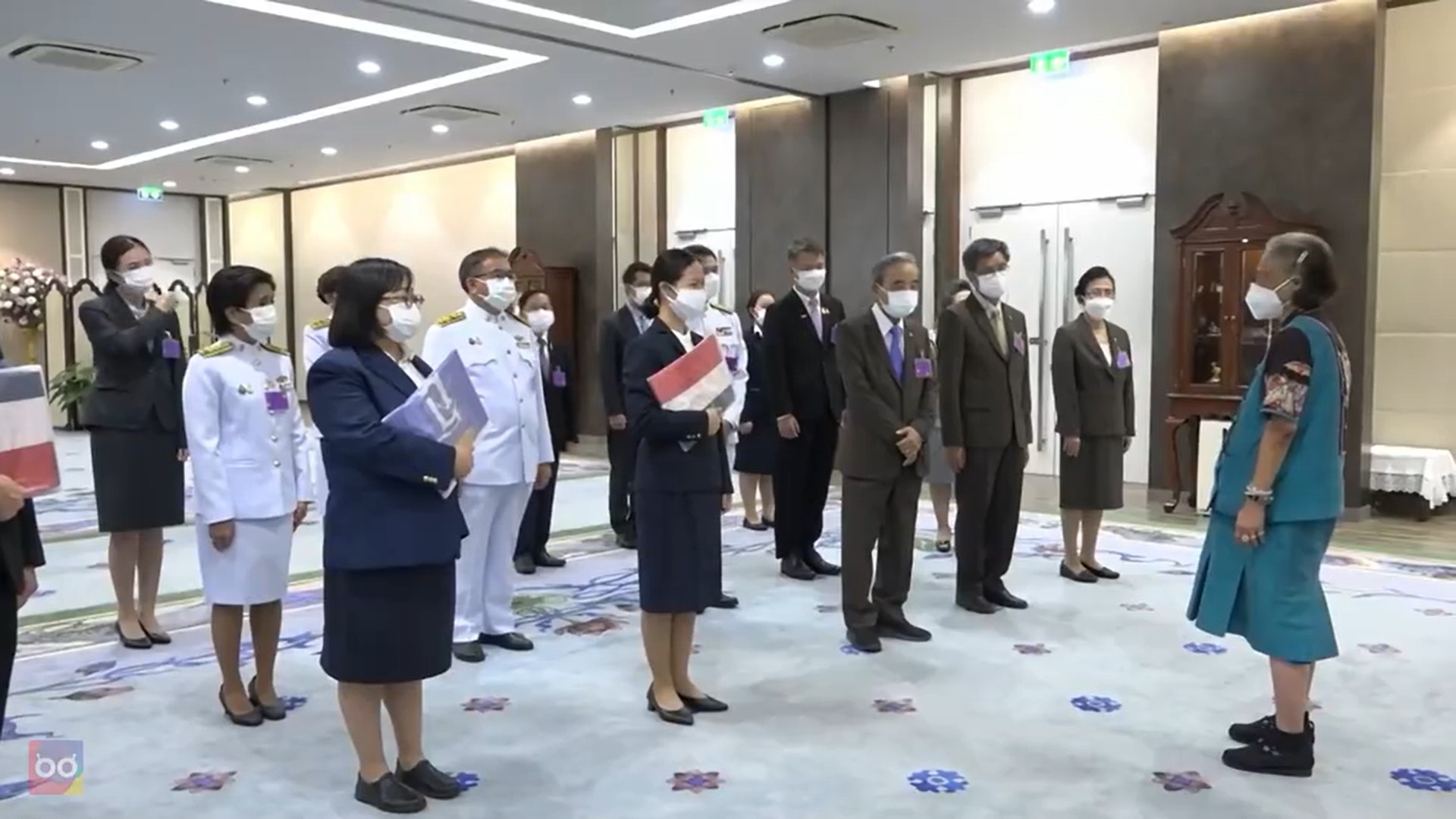
ศาสตราจารย์ ดร. ไพรัช ธัชยพงษ์ กรรมการและเลขาธิการมูลนิธิเทคโนโลยีสารสนเทศตามพระราชดำริสมเด็จพระเทพรัตนราชสุดา ฯ สยามบรมราชกุมารี นำนักวิจัยที่จะเดินทางไปปฏิบัติงาน และศึกษาวิจัยวิทยาศาสตร์ขั้วโลก ณ ทวีปแอนตาร์กติก ประจำปี 2566 เข้าเฝ้าฯ เพื่อรับพระราชทานพรก่อนออกเดินทาง 17/11/2023
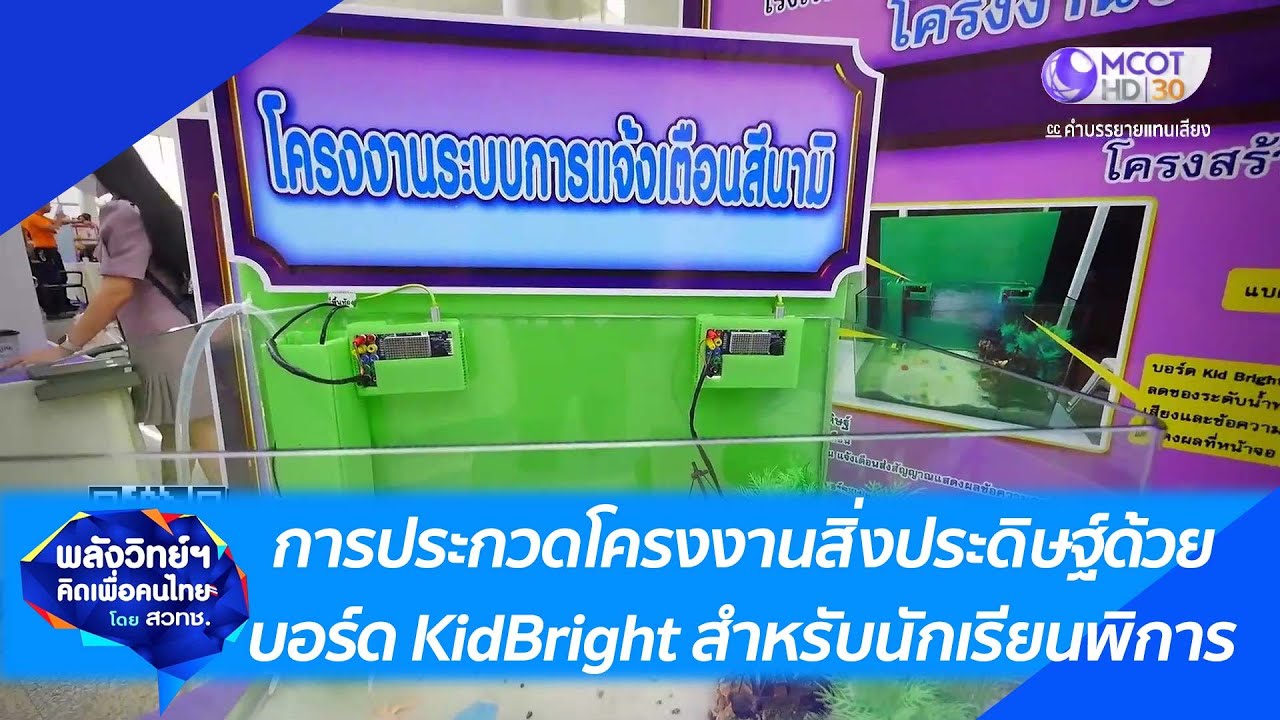
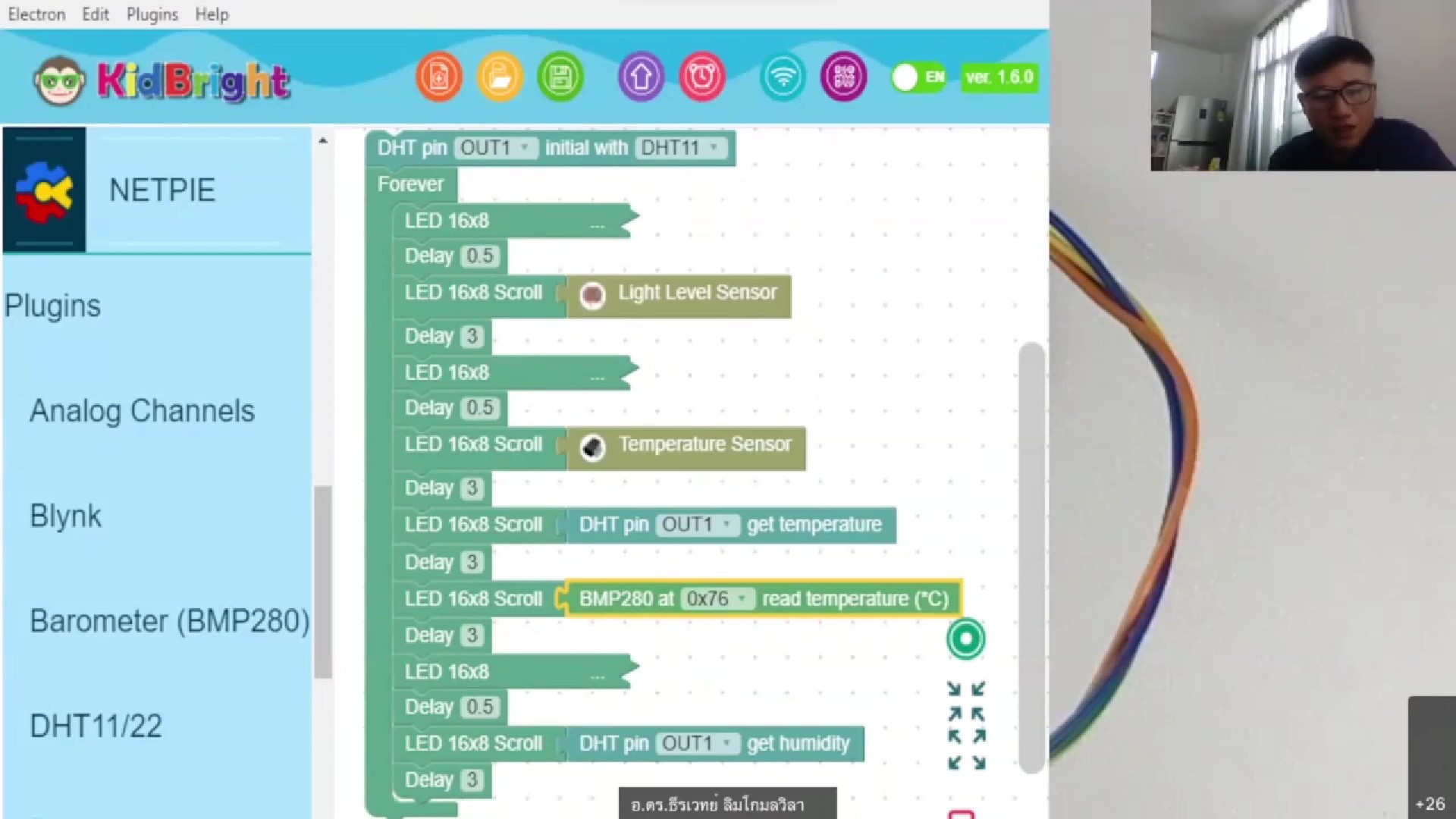
พลังวิทย์ คิดเพื่อคนไทย ตอน การประกวดโครงงานสิ่งประดิษฐ์ด้วยบอร์ด KidBright สำหรับนักเรียนพิการ 25/07/2022
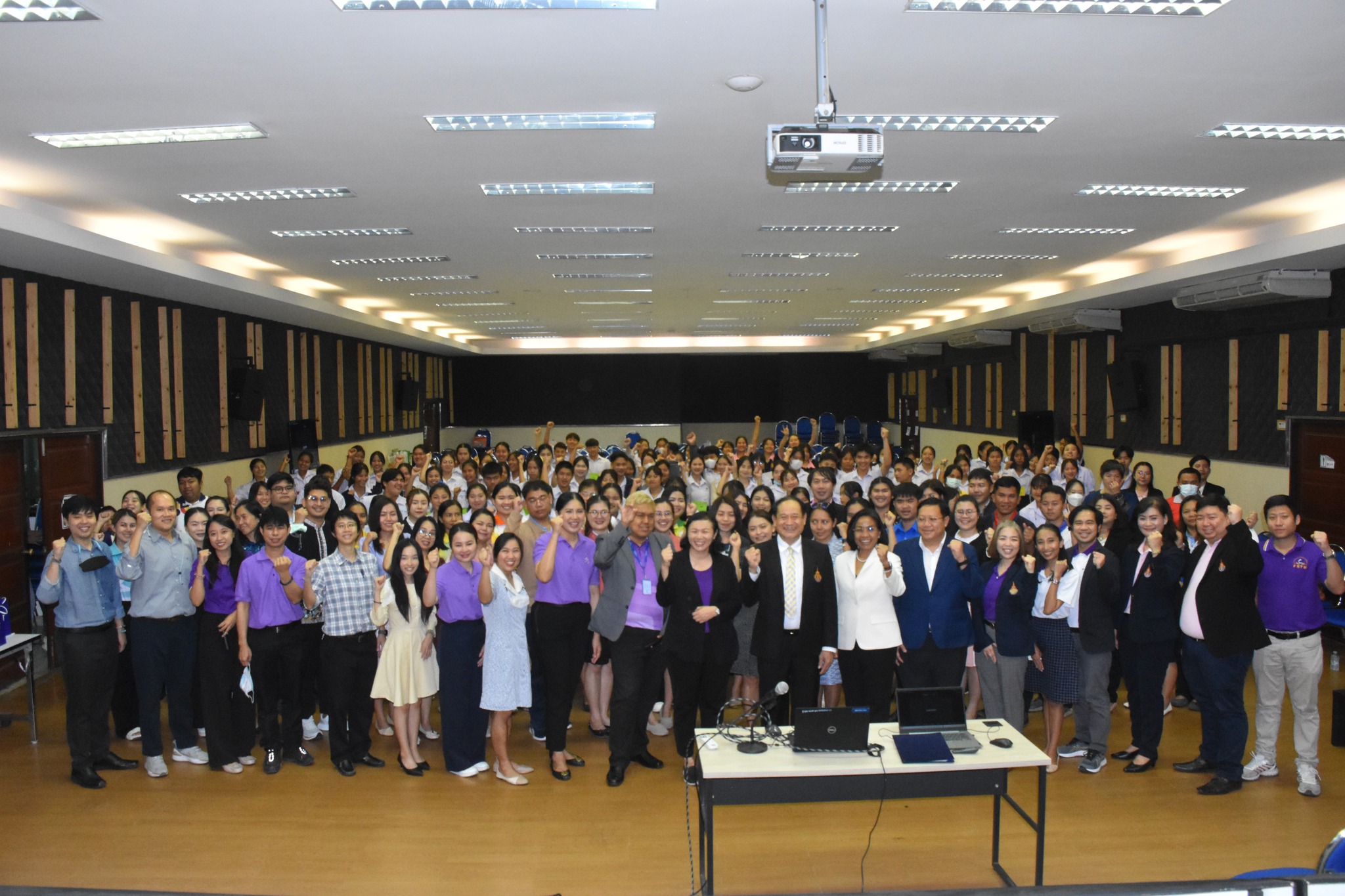
หลักสูตรเรียนรู้ออนไลน์ Reskill/Upskill เพื่อพัฒนาความรู้ด้านการทำโครงงานวิจัยวิทยาศาสตร์โลกทั้งระบบ และการสื่อสารเพื่อสิ่งแวดล้อมในท้องถิ่นสำหรับโรงเรียน ภายใต้โครงการ ดิจิทัลและวิทยาศาสตร์เพื่อการศึกษาสิ่งแวดล้อมในท้องถิ่น 04/04/2024
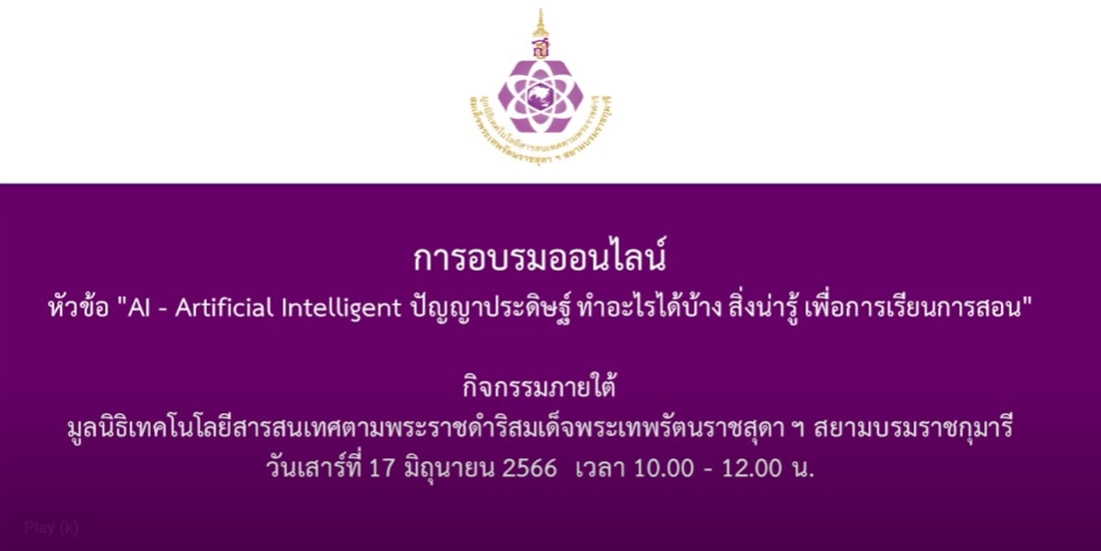
อบรมออนไลน์ เรื่อง AI – Artificial Intelligence ปัญญาประดิษฐ์ ทำอะไรได้บ้าง สิ่งน่ารู้ เพื่อการเรียนการสอน” 11/06/2023
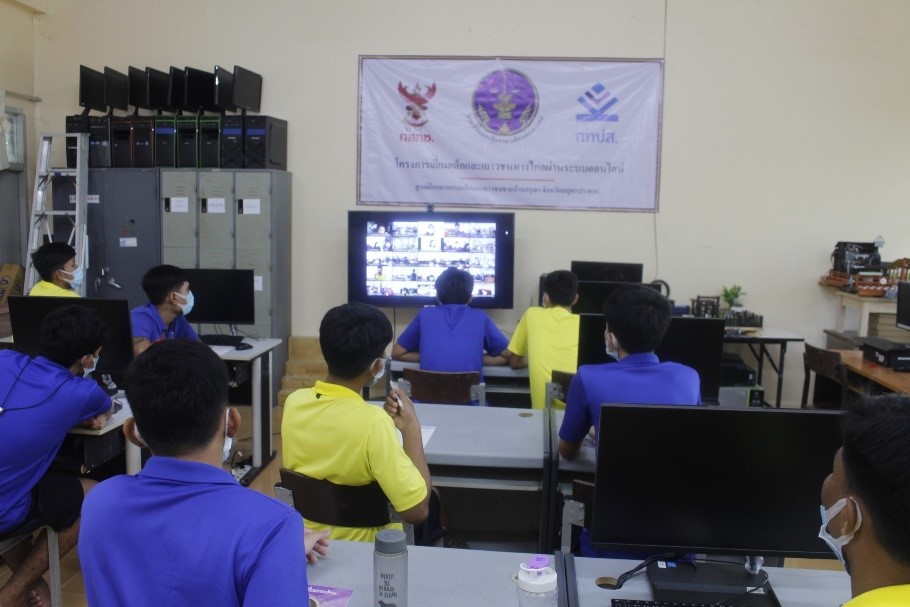
การอบรม“โครงการเสริมสร้างขีดความสามารถของครูและเด็กนักเรียนในโรงเรียนตำรวจตระเวนชายแดน เด็กและเยาวชนในสถานพินิจและคุ้มครองเด็กและเยาวชน กระทรวงยุติธรรม” 09/03/2023
การอบรมเชิงปฏิบัติการ เรื่อง “การพัฒนาสื่อการเรียนรู้แบบมัลติมีเดียเพื่อสนับสนุนการจัดการเรียนการสอนเด็กในรพ.” 08/03/2023